
Riley Davis
ผู้เยี่ยมชม
riley.davis60@outlook.com
Gummies THC France and Bonbon au THC: Common Questions (5 อ่าน)
15 ต.ค. 2569 03:22
THC gummies have turned into one of the most recognizable forms of cannabis edibles, primarily because they are inconspicuous, portable, and convenient to eat without inhaling smoke or vapor. They also need greater caution than many first‐time users assume. In contrast to inhaled cannabis, an edible can take a considerable amount of time to yield perceptible effects, while the experience can persist for several hours. That delayed response is a primary factor responsible dosing counts.
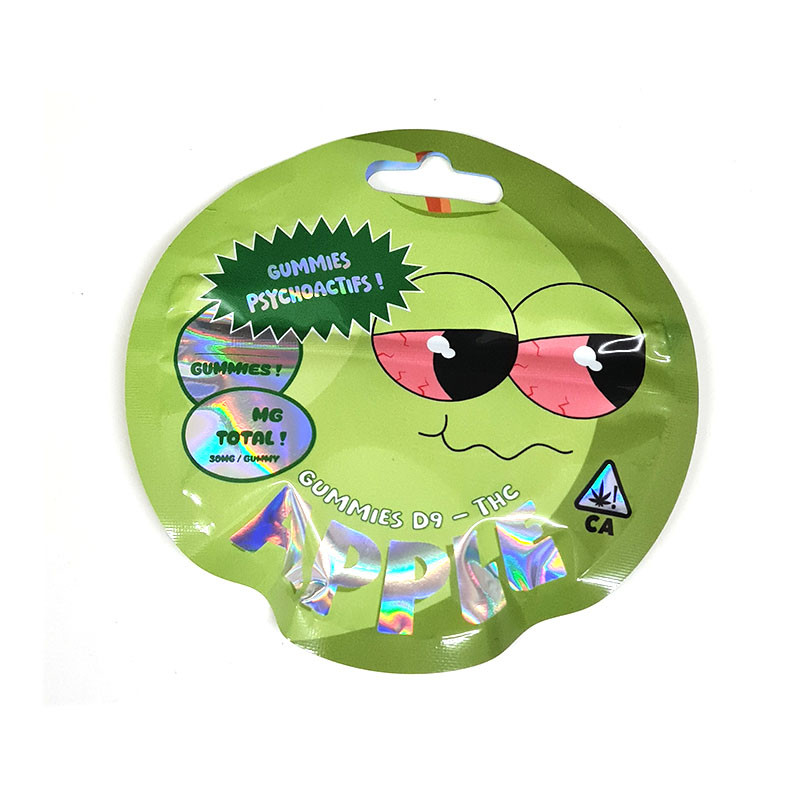
Anyone looking at THC gummies should look beyond the scent, packaging, or advertised strength. The useful questions are straightforward: How much THC is truly present? Is the product explicitly labeled? What further ingredients are included? How duration-wise might the effects last? What are the local rules regulating possession and sale? These details make a significantly larger difference to the experience than the appearance of the gummy itself.
What THC Gummies Actually Contain
THC gummies are edible products formulated with tetrahydrocannabinol, commonly known as THC, the primary intoxicating cannabinoid in cannabis. Manufacturers typically blend a cannabis extract or distillate with components that give the gummy its texture and taste. Depending on the formulation, these may include sugar, pectin or gelatin, flavorings, oils, acids, and other food ingredients.
The concentration of THC can vary substantially between products. Some gummies are made as single low‐dose servings, while others contain considerably more THC for each gummy or for the whole box. Examining the label closely is therefore vital. A package's total THC content is not necessarily the same as the amount contained in one gummy.
Another important distinction is between THC and non‐intoxicating cannabinoids. Items can include CBD or other cannabinoids alongside THC, and the total effect can change depending on the formulation. Buyers ought not to presume that a cannabis gummy labeled similarly shares the same makeup as another offering.
Why Edible THC Feels Different From Inhaled Cannabis
The method of consumption changes the speed and quality of THC's effects. When inhaling cannabis, THC gets into the bloodstream promptly. The edible takes an alternative trajectory, moving through the gut before liver metabolism. Therefore, the onset can be significantly delayed and the effects may persist considerably longer.
Such a delay leads to a frequent challenge for new users. Someone may consume a gummy, feel nothing after a short period, and assume that the dose was ineffective. Consuming more THC before the initial dose fully kicks in may cause an unexpectedly intense effect later.
Therefore, patience is a crucial practical aspects with edible cannabis. The precise onset varies depending on factors such as metabolism, whether food was eaten concurrently, individual tolerance, and the product itself. There is no reliable clock that works identically for every person.
Understanding THC Strength and Portion Size
THC labeling warrants close scrutiny because serving size and package size can be misleading. A container may contain multiple gummies yet show a total THC amount for the whole box. The amount in a single piece may be substantially lower than the total printed on the front.
People who have little or no experience with THC generally have less information about how their bodies will respond. Individual sensitivity fluctuates, and previous cannabis experience does not guarantee the same reaction with an edible. A wise approach is to treat unfamiliar products warily rather than assessing potency by looks or matching them straight to smoked cannabis.
One should also confirm whether laboratory testing details are accessible. Transparent labeling should clearly show what cannabinoids are present and how much THC is contained in the stated serving. Products with vague descriptions or uncertain dosage details deserve additional caution.
Possible Effects and Unwanted Reactions
THC can produce changes in perception, mood, attention, coordination, and the sense of time. Certain people note relaxation or euphoria, while others may experience drowsiness, impaired concentration, anxiety, dizziness, or an uncomfortable sense of mental stimulation. The same person can respond differently on different occasions based on dose, surroundings, tolerance, and other factors.
Edibles can be particularly challenging because their effects may persist for several hours. If one feels uncomfortable, they cannot simply undo the dose. A calm environment, hydration, rest, and avoiding additional substances are generally more sensible responses than trying to counteract the experience with another intoxicating product.
Severe or atypical signs should not be written off as a typical cannabis response. Should a person become highly disoriented, lose consciousness, struggle to breathe, have a seizure, or seem seriously ill, obtaining immediate medical help is warranted.
Keeping THC Gummies Away From Children and Pets
A major safety problem with cannabis edibles is unintended ingestion. Gummies can resemble ordinary confectionery, particularly when they have bright colors, sweet flavors, or familiar shapes. Young ones and pets cannot assess THC risks, thus storage should be treated seriously.
THC items ought to stay in original packaging when feasible and be kept safely away from regular food. Leaving gummies on a kitchen counter, in a handbag, or in an easily accessible drawer creates an unnecessary risk. If accidental ingestion occurs, professional medical or veterinary guidance should be obtained promptly, depending on who has been exposed.
Interactions and Situations Requiring Extra Care
THC can have interactions with other agents, including alcohol and some drugs. Mixing intoxicants can render impairment more unpredictable and may amplify unwanted effects like dizziness, drowsiness, or impaired judgment. People who take prescribed meds or have health issues should talk to a medical professional about cannabis use rather than presume an edible is harmless just because it’s sold as a food item.
Driving is another clear concern. THC may hinder reaction speed, focus, coordination, and judgment. The fact that the impact originates from an edible instead of smoked cannabis does not eliminate the impairment danger. Anyone taking THC should arrange travel that does not involve driving while impaired.
Legal Status Depends on Where You Live
Cannabis legal frameworks differ significantly between nations and, in some locales, between regions of the same nation. Rules can address THC concentration, possession, personal use, production, advertising, importation, and commercial sales separately. A product being available online does not automatically mean that purchasing, importing, possessing, or receiving it is lawful in every location.
This becomes especially vital when a shipment crosses international borders. Customs guidelines and controlled‐substance rules can be enforced independent of the seller’s assertions. Before purchasing or transporting any THC product, consumers should check the current regulations that apply to their own location rather than relying on assumptions based on another country.
How to Evaluate a THC Gummy Responsibly
An effective approach to assess an edible is to emphasize transparency instead of marketing talk. Clear cannabinoid information, understandable serving details, appropriate packaging, ingredient disclosure, and credible testing information provide a stronger basis for judgment than claims about exceptional potency or guaranteed effects.
It is also worth considering whether the product's intended use is clearly explained. Responsible cannabis guidance should admit variability instead of promising a specific emotional or physical result. No edible can promise that every consumer will obtain relaxation, enhanced mood, or any distinct effect.
A More Careful Approach to Gummies THC
For anyone studying Gummies THC, the best first step is learning rather than trial. Understand the cannabinoid content, recognize that edible effects can take time to appear, avoid combining THC with alcohol or other intoxicants, and keep products securely away from children and animals. Crucially, never presume a familiar‐looking candy yields a predictable effect just because it’s small or easy to eat.
Product details and local laws should also be reviewed before deciding. For additional information about THC gummies, ingredients, product descriptions, and responsible considerations, you can review Gummies THC while independently verifying the rules that apply in your location.
39.50.213.67
Riley Davis
ผู้เยี่ยมชม
riley.davis60@outlook.com