
shell
ผู้เยี่ยมชม
benducket3211@gmail.com
Is a Smart Board for Classroom Revolutionizing Modern Teaching Methods? (58 อ่าน)
30 เม.ย 2569 16:19
A smart board for classroom environments has become one of the most impactful innovations in modern education technology. As schools continue to shift toward digital learning ecosystems, traditional teaching methods are being replaced with more interactive and engaging tools. A smart board, also known as an interactive whiteboard or digital smart board, enables teachers to present lessons in a dynamic way while allowing students to actively participate in the learning process.
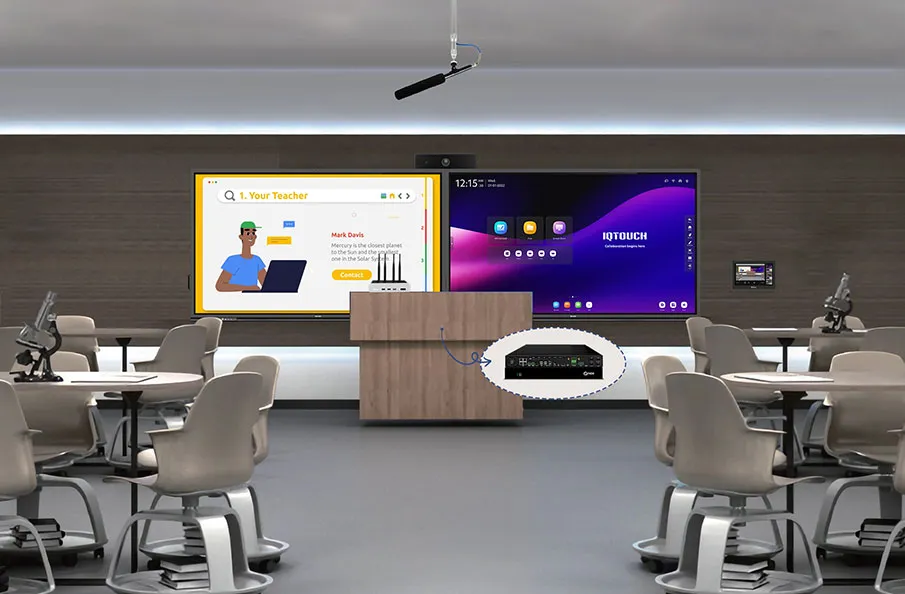
In today’s education system, the smart board for classroom use is no longer considered a luxury but a necessity in many institutions. It combines the functions of a computer, projector, and whiteboard into a single interactive platform. Teachers can display multimedia content, write notes digitally, and interact with applications directly on the screen, creating a more immersive learning environment.
One of the most important benefits of using a smart board for classroom teaching is the improvement in student engagement. Instead of passively listening to lectures, students can interact with lesson materials, solve problems on the board, and participate in discussions in real time. This interactive approach helps improve comprehension and retention of complex subjects.
Modern classrooms are increasingly adopting digital learning tools such as smart boards to support blended learning models. These systems allow educators to integrate online resources, educational videos, and interactive simulations into their lessons. As a result, students gain access to a richer and more diverse learning experience that goes beyond traditional textbooks.
Smart Board in Classroom Teaching Methods
The use of a smart board for classroom instruction has significantly transformed teaching methodologies across schools and educational institutions. Teachers are now able to deliver lessons in a more visual and interactive manner, making it easier for students to understand difficult concepts. Subjects such as mathematics, science, and geography become more engaging when presented through animations, diagrams, and interactive exercises.
In addition to improving lesson delivery, smart board technology supports differentiated learning. Every student has a unique learning style, and smart boards allow teachers to cater to these differences effectively. Visual learners benefit from graphics and videos, while auditory learners can engage with audio explanations, and kinesthetic learners can interact directly with the content on the board.
Another key advantage of using a smart board for classroom environments is the ability to save and share lessons digitally. Teachers can store their presentations and notes, allowing students to revisit them anytime for revision. This feature is especially useful for exam preparation and continuous learning, as it provides easy access to study materials outside the classroom.
Collaborative learning is also enhanced through smart board integration. Students can work together on group activities, solve problems collectively, and share their ideas directly on the board. This fosters teamwork, communication skills, and critical thinking abilities, which are essential for academic and professional success.
Smart boards also support integration with online educational platforms. Teachers can connect to the internet, access real-time information, and incorporate interactive quizzes and assessments into their lessons. This makes learning more dynamic and keeps students actively involved throughout the session.
Smart Board Classroom Benefits and Engagement
A smart board for classroom use offers numerous benefits that go beyond traditional teaching tools. One of the most significant advantages is increased student engagement. Interactive lessons capture students’ attention more effectively than static lectures, helping to maintain focus and interest throughout the class.
Another important benefit is improved teacher efficiency. Smart boards allow educators to prepare lessons in advance and present them in a structured and visually appealing manner. This reduces preparation time and allows teachers to focus more on student interaction and support.
Classroom collaboration is also greatly enhanced with smart board technology. Students can come up to the board, solve problems, and contribute to discussions in real time. This hands-on approach encourages active participation and helps build confidence among learners.
The integration of multimedia content is another powerful feature of smart boards. Teachers can use videos, animations, and interactive diagrams to explain complex topics in a simple and engaging way. This visual learning approach helps students grasp difficult concepts more easily and improves overall academic performance.
Smart boards also support real-time feedback and assessment. Teachers can conduct quizzes, polls, and interactive exercises during lessons to evaluate student understanding instantly. This immediate feedback allows educators to identify learning gaps and adjust their teaching methods accordingly.
In addition, smart board technology supports remote and hybrid learning environments. With the rise of digital education, many schools are adopting systems that allow students to attend classes from home. A smart board for classroom use can be connected to online platforms, enabling seamless communication between teachers and students regardless of location.
Smart Board Technology Advancement in Education
The continuous advancement of smart board technology is shaping the future of education. Modern smart boards are equipped with high-resolution touch screens, multi-touch capabilities, and cloud connectivity, making them more efficient and user-friendly. These features enhance the overall teaching and learning experience in the classroom.
Artificial intelligence is also being integrated into smart board systems, allowing for smarter and more adaptive learning environments. AI-powered features such as handwriting recognition, voice commands, and automated lesson suggestions are making smart boards even more effective in educational settings.
Cloud-based storage and connectivity have further expanded the capabilities of smart boards. Teachers can access their lessons from any device, share content with students instantly, and collaborate with other educators across different locations. This level of flexibility supports modern teaching methods and enhances educational accessibility.
Another significant development is the compatibility of smart boards with various educational software and applications. Teachers can use specialized learning tools to create interactive lessons tailored to specific subjects and grade levels. This customization ensures that students receive a more personalized learning experience.
Energy efficiency and sustainability are also becoming important aspects of smart board development. Modern devices are designed to consume less power and reduce environmental impact, aligning with global efforts toward sustainable education technology.
Conclusion on Smart Board for Classroom Innovation
A smart board for classroom environments has become an essential tool in modern education, transforming traditional teaching methods into interactive and engaging learning experiences. Its ability to combine visual, auditory, and interactive elements makes it a powerful resource for both teachers and students.
From improving student engagement to enhancing teaching efficiency, smart board technology is redefining the way education is delivered. It supports collaborative learning, personalized instruction, and digital integration, making classrooms more dynamic and effective.
43.242.177.16
shell
ผู้เยี่ยมชม
benducket3211@gmail.com