
shell
ผู้เยี่ยมชม
benducket3211@gmail.com
Harmonized Code: Why Is It Essential for Global Trade Classification, Customs Compliance, and International Shipping Accuracy? (89 อ่าน)
22 เม.ย 2569 16:49
The harmonized code is a globally recognized system used to classify***ds in international trade. It is formally known as the Harmonized System (HS) code and is developed and maintained by the World Customs Organization. This system is used by more than 200 countries to ensure that every product traded across borders is identified in a standardized and consistent way.
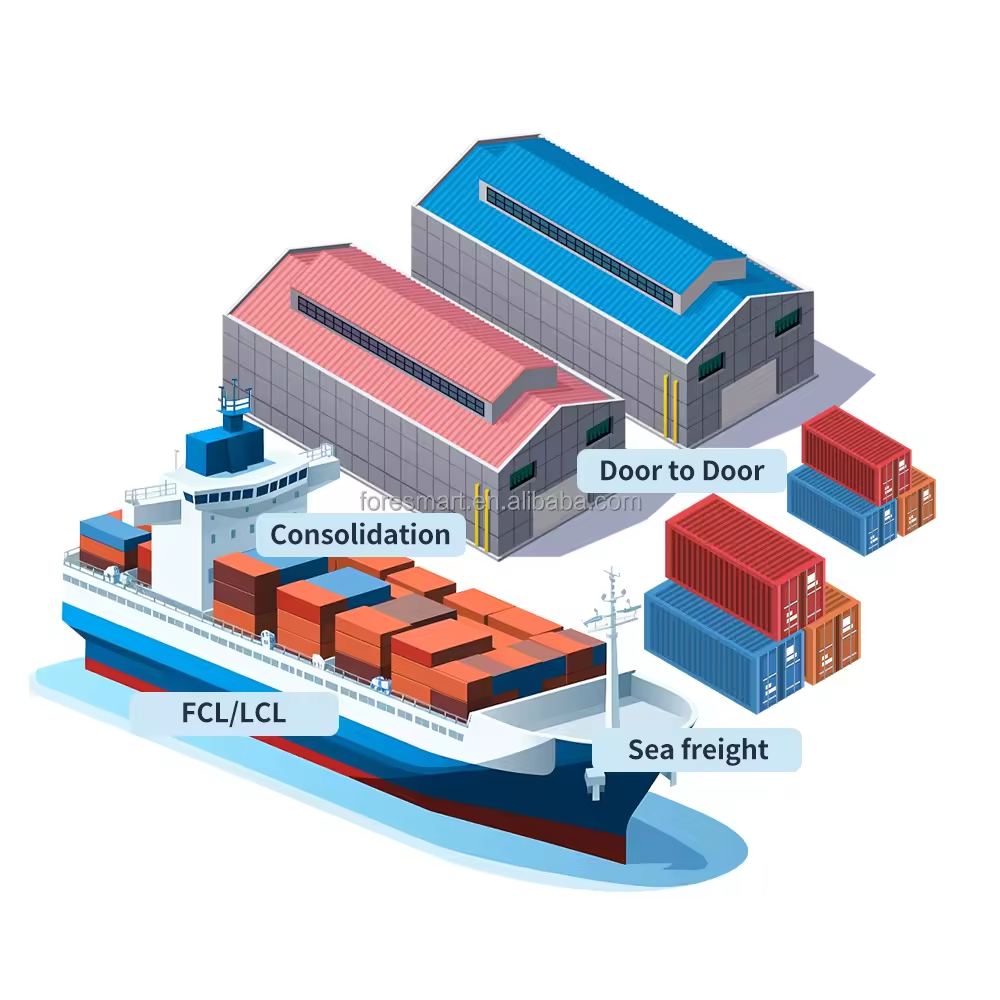
In global commerce, the harmonized code plays a central role in customs classification, tariff determination, and trade documentation. Every product that is imported or exported must be assigned a specific code that describes its category, material composition, and functional use. This classification allows customs authorities worldwide to understand exactly what a product is, regardless of language differences or regional classification systems.
The structure of the harmonized code is highly organized. It is made up of numerical digits where each level of the code provides more detailed information about the product. The early digits represent broad categories such as textiles, machinery, or chemicals, while the later digits refine the classification into more specific subcategories. This structured approach ensures consistency in international trade documentation and reduces ambiguity in customs procedures.
For businesses involved in import and export operations, the harmonized code is not just a technical requirement but a critical factor in cost management and compliance. Incorrect classification can lead to customs delays, penalties, or even seizure of***ds. In some cases, it may also result in incorrect duty payments, which can significantly affect business profitability and supply chain efficiency.
As global trade continues to expand, companies are increasingly relying on digital tools for harmonized code lookup. These systems allow users to search for the correct classification based on product descriptions, materials, or industry categories. This reduces human error and improves efficiency in customs documentation and logistics operations.
The harmonized code system also plays an important role in international trade statistics. Governments and global organizations use HS-coded data to analyze trade flows, monitor economic performance, and design trade policies. This makes the harmonized code not only a regulatory tool but also a vital component of global economic analysis.
Harmonized Code Lookup in Customs Duties and Import Export Compliance?
The harmonized code lookup process is a crucial step in import export compliance and customs documentation. Every shipment that crosses international borders must include a valid HS code on key trade documents such as commercial invoices, packing lists, and customs declarations. This code determines how customs authorities classify the product and what duties or taxes will be applied.
When performing a harmonized code lookup, businesses must carefully analyze the characteristics of the product. Factors such as material composition, product usage, design, and industry application all influence the correct classification. Even small variations in product specifications can result in a different harmonized code, which directly impacts tariff rates and compliance obligations.
Customs authorities rely on the harmonized code to enforce trade regulations and calculate import duties. If a product is misclassified, it can lead to financial discrepancies such as overpayment or underpayment of duties. Overpayment increases operational costs unnecessarily, while underpayment can result in penalties, audits, or shipment delays. This makes accurate classification essential for smooth international trade operations.
The harmonized code also plays a significant role in trade agreements and preferential tariff programs. Many countries offer reduced or zero-duty benefits under free trade agreements, but these advantages are only available when the correct HS classification is applied. This makes harmonized code lookup an important strategy for businesses aiming to optimize costs and remain competitive in global markets.
Industries such as automotive manufacturing, pharmaceuticals, electronics, textiles, and agriculture depend heavily on accurate harmonized code classification. These industries often deal with complex products that may include multiple components or advanced materials. As a result, businesses frequently rely on customs experts, trade consultants, or automated classification tools to ensure accuracy.
The rise of global e-commerce has further increased the importance of harmonized code systems. Online sellers shipping products internationally must ensure that every item is correctly classified to avoid customs issues. Many logistics platforms now integrate automated HS code lookup features into their systems, making it easier for businesses to manage cross-border trade efficiently.
Beyond compliance and taxation, the harmonized code system also supports global trade analysis. Governments and international organizations use HS-coded data to track import-export trends, evaluate economic performance, and develop trade policies. This makes harmonized code an essential tool for both business operations and economic research.
Conclusion: Harmonized Code in Modern Global Trade Efficiency and Compliance
The harmonized code is a foundational element of international trade that ensures accurate product classification, proper customs duty calculation, and smooth movement of***ds across global borders. It provides a standardized system that allows businesses and governments to communicate clearly and consistently in international commerce.
From import export documentation to customs compliance and trade policy development, the harmonized code plays a vital role in maintaining transparency and efficiency in global trade. Businesses that apply correct HS classification benefit from reduced risks, faster customs clearance, and improved financial control.
43.242.176.17
shell
ผู้เยี่ยมชม
benducket3211@gmail.com