
shell
ผู้เยี่ยมชม
benducket3211@gmail.com
Are Solid State Relays Transforming Modern Electrical Control? (77 อ่าน)
4 เม.ย 2569 15:58
Solid State Relays (SSRs) are revolutionizing the way electrical circuits are managed across industries, offering an advanced alternative to traditional electromechanical relays. These devices control electrical loads without moving parts, relying on semiconductor technology to switch circuits on and off. This innovation provides precise, rapid, and reliable switching that is essential for modern automation, industrial machinery, and advanced electronic systems. The growing adoption of SSRs is driven by their durability, efficiency, and ability to meet the demands of high-performance applications.
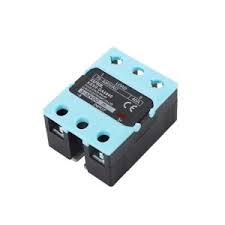
Can Solid State Relays Improve Reliability and Durability in Systems?
The most notable advantage of solid state relays is their exceptional reliability. Unlike mechanical relays that operate with physical contacts, SSRs function entirely through semiconductor components. This absence of moving parts significantly reduces wear and tear, minimizing the risk of failure over time. Industries that require continuous, high-frequency switching, such as robotics, conveyor systems, and heating equipment, benefit greatly from this durability.
Additionally, SSRs are less affected by environmental factors. They maintain stable performance under vibrations, temperature fluctuations, and moisture, which often compromise traditional relays. This resilience makes SSRs ideal for applications in harsh industrial settings or outdoor installations where reliability is critical. Their long lifespan and low maintenance requirements also translate into cost savings, reducing the need for frequent replacements and minimizing downtime.
Solid state relays also ensure electrical protection. Many SSR models include built-in safeguards against overcurrent, overvoltage, and thermal overload. These features prevent damage to both the relay and connected devices, enhancing operational safety while extending equipment life.
Can Solid State Relays Enhance Energy Efficiency and Performance?
Another key advantage of solid state relays is their energy efficiency. Since SSRs use semiconductor switching, they generate less heat compared to mechanical relays and reduce power consumption during operation. This efficiency is particularly valuable in large-scale industrial environments where reducing energy costs is a priority.
The precise control offered by SSRs also improves system performance. In applications such as temperature-controlled ovens, industrial heaters, and motor drives, SSRs provide accurate, responsive switching. This precision not only optimizes operational efficiency but also enhances product quality and minimizes energy waste. Unlike mechanical relays, SSRs operate silently, making them suitable for environments where noise reduction is important, such as laboratories, hospitals, or office equipment.
Moreover, SSRs are highly versatile. They can handle both AC and DC loads, support rapid switching cycles, and integrate seamlessly with modern automation systems like PLCs (Programmable Logic Controllers). This flexibility makes them an essential component in advanced manufacturing setups and smart electrical networks.
Can Solid State Relays Support Advanced Automation and Industrial Applications?
Solid state relays are particularly valuable in automation and industrial systems. Their rapid switching capabilities allow them to trigger circuits within milliseconds, enabling precise timing and synchronization in automated processes. Industries such as automotive manufacturing, semiconductor production, and material handling rely on SSRs to maintain accurate and efficient operations.
Furthermore, SSRs can be integrated into digital control systems, enhancing monitoring and automation capabilities. This integration enables remote control, programmable operations, and real-time system adjustments, which are crucial in complex industrial workflows. Their ability to operate reliably over millions of cycles reduces maintenance interruptions and ensures consistent performance even in high-demand applications.
In addition to industrial uses, SSRs are increasingly applied in commercial and consumer electronics where compact, reliable, and efficient switching is required. From power distribution panels to automated home systems, solid state relays provide a modern solution that meets the growing need for energy-efficient and reliable electrical control.
Conclusion: Are Solid State Relays Indispensable for Modern Electrical Systems?
Solid state relay have established themselves as a critical innovation in electrical switching technology. Their durability, energy efficiency, precision, and compatibility with advanced automation systems make them indispensable across industrial, commercial, and residential applications. By eliminating mechanical wear, providing rapid and silent switching, and ensuring reliable performance, SSRs offer a significant advantage over traditional relays.
For engineers, manufacturers, and facility managers seeking dependable, efficient, and long-lasting electrical control solutions, solid state relays are not just an option—they are essential components for the future of modern electrical systems. Their adoption ensures enhanced system reliability, reduced maintenance costs, and improved operational efficiency, positioning SSRs as a cornerstone of smart, high-performance electrical infrastructure.
43.242.177.63
shell
ผู้เยี่ยมชม
benducket3211@gmail.com