
shell
ผู้เยี่ยมชม
benducket3211@gmail.com
Fire Sprinkler System Pipe: Why Is It the Core of Modern Fire Safety and Building Protection Systems? (79 อ่าน)
24 เม.ย 2569 00:31
Fire sprinkler system pipe is a vital component of modern fire protection infrastructure, designed to deliver water quickly and efficiently in the event of a fire emergency. It forms the backbone of automatic fire suppression systems used in residential buildings, commercial complexes, industrial facilities, and public infrastructure. Without a reliable fire sprinkler system pipe network, controlling fire spread and minimizing damage would be significantly more difficult.
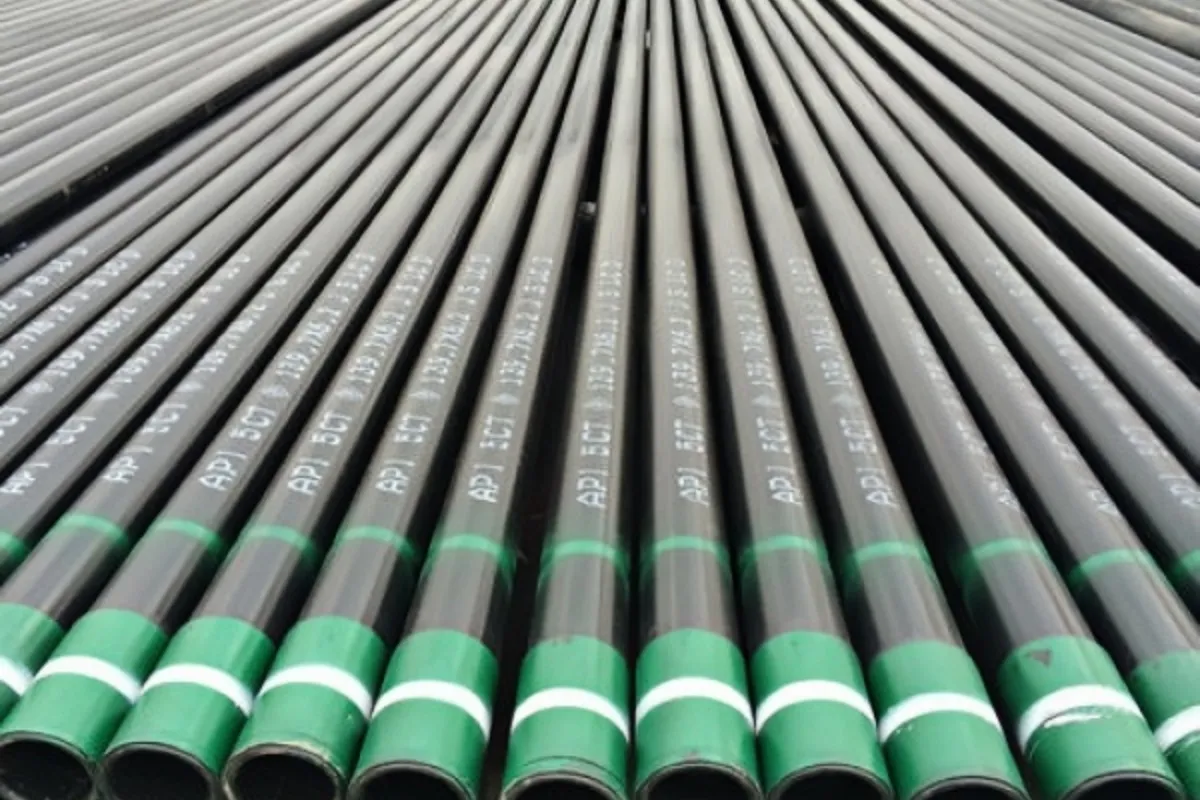
Fire Sprinkler System Pipe in Modern Fire Protection Systems?
Fire sprinkler system pipe is a specialized piping network used to distribute water from a central supply to sprinkler heads installed throughout a building. These pipes remain pressurized and are designed to activate automatically when heat from a fire reaches a certain threshold, allowing water to be released directly onto the affected area.
In modern fire safety engineering, fire sprinkler system pipe is typically manufactured using materials such as steel, galvanized steel, or sometimes CPVC, depending on the application and building requirements. Steel pipes are commonly used in large commercial and industrial installations due to their strength and durability, while CPVC pipes are often found in residential and light commercial buildings because of their corrosion resistance and ease of installation.
The primary function of fire sprinkler system pipe is to ensure rapid water distribution during fire emergencies. Once a sprinkler head is triggered by heat, water flows through the pipe system to control or extinguish the fire before it spreads. This immediate response plays a critical role in protecting lives, reducing property damage, and supporting emergency response efforts.
Another important aspect of fire sprinkler system pipe is its ability to maintain constant readiness. Unlike other systems that require manual activation, sprinkler piping systems are always on standby. This automatic functionality makes them one of the most effective fire suppression solutions available in modern building design.
Fire Sprinkler System Pipe Applications and Structural Role in Building Safety?
Fire sprinkler system pipe is widely used in various types of buildings where fire safety is a priority. In commercial buildings such as shopping malls, office towers, and hotels, these pipes are installed throughout ceilings and walls to ensure full coverage of all critical areas. This allows rapid response in case of fire outbreaks, even when occupants are not immediately aware of the danger.
In industrial facilities, fire sprinkler system pipe plays an even more crucial role due to the presence of flammable materials, heavy machinery, and high-risk operations. Manufacturing plants, warehouses, and chemical storage units rely heavily on robust sprinkler piping systems to prevent large-scale fire incidents and protect valuable assets.
Residential buildings also increasingly use fire sprinkler system pipe systems, especially in multi-story apartments and high-rise housing projects. These systems are designed to provide localized fire suppression, minimizing risk to residents and reducing the likelihood of fire spreading between units.
From a structural perspective, fire sprinkler system pipe must be designed to withstand internal water pressure, environmental conditions, and long-term usage without leakage or failure. Proper installation and material selection are essential to ensure system reliability. Engineers carefully design piping layouts to guarantee that water reaches all sprinkler heads efficiently, even in complex building structures.
Fire sprinkler system pipe is also integrated with advanced fire detection systems in many modern buildings. When combined with smoke detectors and alarm systems, the piping network becomes part of a fully automated fire protection ecosystem. This integration enhances response time and improves overall safety performance.
Corrosion resistance is another key factor in fire sprinkler system pipe applications. Since pipes often remain filled with water for long periods, materials must resist rust and internal degradation. Galvanized steel and CPVC pipes are commonly used to address this challenge, ensuring long-term durability and consistent performance.
In addition, fire sprinkler system pipe systems are designed to meet strict international safety standards. Regulations such as NFPA (National Fire Protection Association) guidelines ensure that piping systems are installed and maintained according to safety requirements. This helps guarantee system reliability during emergency situations.
Fire Sprinkler System Pipe Performance and Industrial Safety Benefits?
Fire sprinkler system pipe offers significant performance advantages that make it a cornerstone of modern fire protection strategies. One of the most important benefits is its ability to provide immediate water discharge in the event of fire detection. This rapid response significantly reduces fire intensity and prevents escalation.
Another key advantage is its reliability. Fire sprinkler system pipe networks are engineered to function automatically without human intervention. This ensures that even in situations where occupants are unable to respond, the system activates on its own to control the fire.
Durability is also a major benefit of fire sprinkler system pipe. High-quality materials such as steel and CPVC allow the system to operate effectively for many years with minimal maintenance. This long service life makes it a cost-effective solution for building safety management.
Fire sprinkler system pipe also contributes to reduced fire damage and lower insurance costs. Buildings equipped with sprinkler systems are statistically less likely to suffer severe fire damage, which leads to lower repair costs and reduced financial loss. Insurance providers often offer favorable rates for properties with certified fire sprinkler systems installed.
Another important benefit is life safety protection. Fire sprinkler system pipe helps control fire at its earliest stage, giving occupants more time to evacuate safely. This significantly reduces the risk of injury or loss of life in fire emergencies.
Environmental protection is another advantage often overlooked. By controlling fire quickly, fire sprinkler system pipe systems help reduce smoke emissions and limit the release of toxic gases. This contributes to better air quality during fire incidents and minimizes environmental impact.
Modern advancements in fire sprinkler system pipe technology have further improved system efficiency. Innovations in pipe coating, joint sealing, and corrosion protection have enhanced overall system reliability. These improvements ensure consistent water flow and reduce the risk of system failure.
Conclusion Fire Sprinkler System Pipe Importance in Modern Fire Safety Engineering
Fire sprinkler system pipe is an essential element of modern fire protection systems, providing reliable, automatic, and efficient fire suppression across a wide range of buildings and industries. Its ability to deliver rapid water distribution during emergencies makes it one of the most effective safety solutions in building design.
As construction standards continue to evolve, the importance of fire sprinkler system pipe will only increase. Its role in protecting lives, reducing property damage, and enhancing building safety cannot be overstated. In conclusion, fire sprinkler system pipe stands as a critical foundation of fire safety engineering, ensuring that modern infrastructure remains secure, resilient, and well-protected against fire hazards.
43.242.177.174
shell
ผู้เยี่ยมชม
benducket3211@gmail.com