
shell
ผู้เยี่ยมชม
benducket3211@gmail.com
Freight Terminals: How Do They Power Global Cargo and Supply Chain Efficiency? (89 อ่าน)
19 เม.ย 2569 17:43
Freight terminals are essential hubs in modern logistics systems where***ds are received, stored, sorted, and distributed across local and international supply chains. These facilities act as central points that connect different transportation modes such as trucks, trains, and ships. In today’s fast-moving global economy, freight terminals play a critical role in ensuring that***ds move efficiently from manufacturers to consumers.
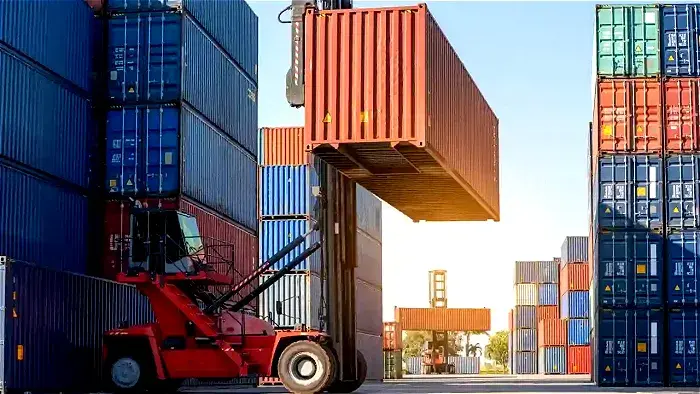
The importance of freight terminals continues to grow as businesses demand faster delivery, improved tracking, and more efficient logistics systems. A well-managed freight terminals network helps reduce delays, lower transportation costs, and improve overall supply chain performance. Understanding how freight terminals operate is key to improving logistics planning and global trade efficiency.
What is Freight Terminals
Freight terminals are specialized logistics facilities designed for handling large volumes of cargo and***ds. These terminals serve as transfer points where shipments are loaded, unloaded, sorted, and redirected to their next destination. Freight terminals are commonly used in rail, road, air, and sea transportation systems.
A freight terminals facility acts as a central hub that ensures smooth movement of***ds within the supply chain. It helps coordinate between manufacturers, shipping companies, and distribution centers. Without freight terminals, global logistics systems would face significant delays, inefficiencies, and higher operational costs.
Types of Freight Terminals
Freight terminals can be classified based on their transportation mode and operational structure. Rail-based freight terminals handle cargo transported by trains and are commonly used for long-distance bulk shipments. These terminals are often located near industrial zones and railway networks for efficient connectivity.
Road-based freight terminals manage cargo transported by trucks and are widely used for regional and local distribution. These freight terminals are essential for last-mile delivery and urban logistics systems.
Air freight terminals handle high-value and time-sensitive***ds transported by aircraft. These facilities are usually located at airports and are designed for fast processing and customs clearance.
Sea freight terminals, also known as ports, handle international cargo shipments arriving and departing by ships. These freight terminals are crucial for global trade and import-export operations.
Step-by-step Freight Terminals Operations
The operation of freight terminals begins when cargo arrives at the facility through trucks, trains, ships, or aircraft. Upon arrival, the***ds are checked, documented, and entered into the logistics system for tracking purposes. This ensures transparency and accuracy in cargo handling.
After documentation, the cargo is moved to designated unloading areas within the freight terminals. Here,***ds are carefully sorted based on their destination, type, and delivery priority. This sorting process is essential for maintaining an efficient flow of***ds.
Once sorted, the cargo is either stored temporarily in warehouse sections or directly transferred to outbound transportation. Freight terminals often use advanced equipment such as cranes, forklifts, and conveyor systems to handle large volumes of***ds efficiently.
Finally, the cargo is dispatched from the freight terminals to its next destination through trucks, trains, or ships. Modern terminals use digital tracking systems to monitor shipments in real time and ensure timely delivery across the supply chain.
Benefits of Freight Terminals Systems
Freight terminals provide numerous benefits to global logistics and supply chain management. One of the main advantages is improved efficiency in cargo handling. By centralizing logistics operations, freight terminals reduce delays and ensure smooth movement of***ds.
Another key benefit is cost reduction. Freight terminals help optimize transportation routes and minimize unnecessary handling, which lowers overall logistics expenses. Businesses benefit from better resource utilization and reduced shipping costs.
Freight terminals also improve supply chain coordination. By acting as central hubs, they connect multiple transportation modes and ensure seamless cargo movement. This leads to faster delivery times and improved customer satisfaction.
Security is another important advantage of freight terminals. Controlled access, surveillance systems, and structured cargo handling processes help protect***ds from theft, damage, or loss during transit.
Common Challenges in Freight Terminals Management
Managing freight terminals comes with several challenges that can impact efficiency. One of the most common issues is congestion, especially in high-traffic terminals where large volumes of cargo are processed daily. This can lead to delays and operational bottlenecks.
Another challenge is coordination between different transport modes. Freight terminals must manage smooth transitions between rail, road, air, and sea systems, which requires precise scheduling and communication.
Infrastructure limitations can also affect freight terminals operations. Limited space and outdated equipment can reduce efficiency and increase handling time.
Technology integration is another challenge faced by modern freight terminals. Implementing digital tracking systems, automation, and logistics software requires investment and skilled personnel.
Expert Insights on Freight Terminals Efficiency
Experts in logistics emphasize that automation is a key factor in improving freight terminals efficiency. Automated systems help reduce manual labor, speed up cargo handling, and improve accuracy in logistics operations.
Digital tracking and real-time monitoring systems are also essential for modern freight terminals. These technologies allow businesses to track shipments, manage inventory, and optimize supply chain decisions more effectively.
Workforce training is another important aspect of efficient freight terminals operations. Skilled workers ensure smooth handling of cargo and proper use of advanced logistics equipment.
Sustainability is also becoming a major focus in freight terminals development. Many facilities are adopting eco-friendly practices such as energy-efficient machinery and reduced emissions transportation systems.
Internal Logistics and Supply Chain Integration
Freight terminals are a crucial part of the global supply chain network. They connect manufacturers, distributors, and retailers, ensuring smooth movement of***ds across different stages of production and delivery.
Effective integration between freight terminals and digital logistics platforms improves visibility and coordination across the entire supply chain. This leads to better inventory management, reduced delays, and improved operational efficiency.
Freight Terminals in Global and Local Logistics
Freight terminals play an important role in both global and local logistics systems. On a global scale, they facilitate international trade by handling imports and exports through ports and airports. This ensures smooth movement of***ds between countries and continents.
On a local level, freight terminals support regional distribution networks by connecting warehouses, retailers, and consumers. They help reduce transportation time and improve delivery efficiency within cities and industrial zones.
Conclusion
Freight terminals are a vital part of modern logistics infrastructure, enabling efficient movement of***ds across global supply chains. They improve cargo handling, reduce transportation costs, and enhance overall delivery performance.
As international trade continues to expand, the importance of freight terminals will continue to grow. Businesses that rely on efficient logistics systems benefit greatly from improved coordination, faster delivery, and better supply chain visibility. In conclusion, freight terminals are the backbone of modern cargo transportation and global trade efficiency.
FAQs
What are freight terminals
Freight terminals are logistics facilities where***ds are received, sorted, stored, and transferred between different transportation modes such as trucks, trains, and ships.
Why are freight terminals important
Freight terminals are important because they improve supply chain efficiency, reduce delays, and ensure smooth movement of***ds across regions and countries.
How do freight terminals work
Freight terminals work by receiving cargo, sorting it based on destination, and dispatching it through appropriate transportation systems for delivery.
Who uses freight terminals
Manufacturers, shipping companies, logistics providers, and retailers use freight terminals for efficient cargo handling and distribution.
Are freight terminals cost-effective
Yes, freight terminals are cost-effective because they reduce transportation inefficiencies, optimize logistics routes, and improve overall supply chain performance.
Call to Action
If you want to improve your logistics operations and enhance supply chain efficiency, understanding and utilizing modern freight terminals can make a significant difference. Explore advanced freight terminal solutions today and take your cargo management system to a more efficient and reliable level.
43.242.176.148
shell
ผู้เยี่ยมชม
benducket3211@gmail.com
sbutterfly2001
ผู้เยี่ยมชม
sbutterfly2001@gmail.com
4 พ.ค. 2569 13:20 #1
Is the Futurematic the world-beater that LeCoultre link imagined it would be in the early '50s? Not in the least. It remains fussy and difficult. Neither of us can wear link our link examples in the rain, we can't keep them on our wrists while biking, or while working in the garden. But the point isn't in their ease, or that they can't go everywhere and do everything.
174.136.207.92
sbutterfly2001
ผู้เยี่ยมชม
sbutterfly2001@gmail.com
adaganq
ผู้เยี่ยมชม
adaganq@gmail.com
4 มิ.ย. 2569 07:07 #2
Arnaud Chastaingt, director of Chanel's watchmaking creation studio, set out to channel the pulsing club Pas Cher Montblanc Meisterstuck LeGrand 132450O vibe of the '90s electronic music scene (driven by acts like Technotronic) and developed the neon Replica Audemars Piguet Royal Oak Cronografo theme across Replica Omega Seamaster Aqua Terra 150M 30mm Ladies Grey Chanel's watch pillars – from J12 and Premiere to Code Coco.
92.223.30.54
adaganq
ผู้เยี่ยมชม
adaganq@gmail.com