
Freelancer shila
ผู้เยี่ยมชม
pivijes476@memeazon.com
On-Page SEO Made Easy: Boost Your Rankings Fast (59 อ่าน)
23 ต.ค. 2568 13:42
On-Page SEO Made Easy: Boost Your Rankings Fast
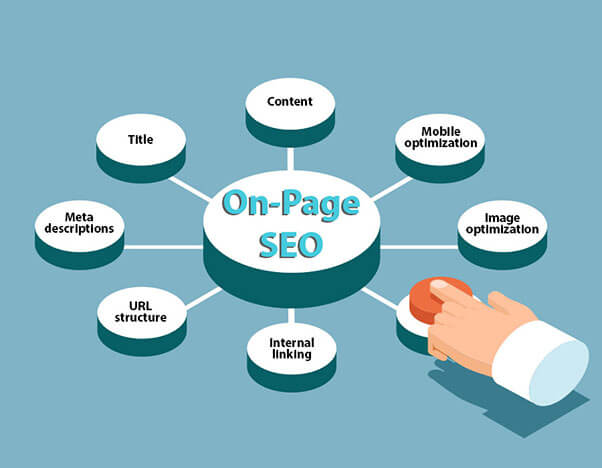
In the competitive world of digital marketing, having a website isn’t enough—you need visibility. That’s where On-Page SEO comes in. It’s one of the most powerful ways to make your website rank higher in search engines like Google. The best part? You can do it yourself with the right strategy. In this guide, we’ll break down On-Page SEO in simple steps so you can boost your rankings fast and attract more traffic.
What Is On-Page SEO?
On-Page SEO (also called on-site SEO) refers to optimizing individual web pages to improve their search engine rankings and drive relevant traffic. It involves everything you can control on your own website—from content creation and keyword placement to meta tags, images, and internal links.
Unlike Off-Page SEO, which focuses on backlinks and external signals, On-Page SEO ensures that your site is well-structured, readable, and relevant to what users are searching for.
Why On-Page SEO Matters
Google’s algorithm focuses on understanding user intent—meaning it wants to deliver the best possible content for each search. If your website clearly tells Google what your page is about and provides value to users, you’re more likely to appear at the top of search results.
Here’s why On-Page SEO is crucial:
It improves your visibility on search engines.
It helps users find relevant information quickly.
It increases organic traffic and reduces paid ad dependency.
It builds trust and credibility for your brand.
It enhances user experience, leading to longer visits and higher conversions.
Key Elements of Effective On-Page SEO
Let’s look at the most important components of On-Page SEO that can help you rank higher fast.
1. Optimize Your Title Tag
The title tag is the first thing users and search engines see. It should be compelling and include your main keyword. For example:
On-Page SEO Made Easy: Boost Your Rankings Fast
Tips:
Keep it under 60 characters.
Use your primary keyword near the beginning.
Make it attractive to encourage clicks (CTR).
2. Write a Strong Meta Description
The meta description is a short summary that appears under your page title in search results. It should describe your content and encourage users to click.
Example:
Learn how to master On-Page SEO with simple steps. Discover proven strategies to boost your Google rankings fast and grow your website traffic.
Tips:
Use your main keyword naturally.
Keep it between 150–160 characters.
Make it persuasive and action-driven.
3. Use Header Tags Properly (H1, H2, H3)
Header tags organize your content and make it easy to read. Search engines use them to understand your page’s structure.
H1: Use only once and include your main keyword.
H2 & H3: Break down sections with supporting keywords.
Proper formatting helps readers scan your content easily and improves SEO readability.
4. Optimize Your Content for Keywords
Your content should answer what people are searching for. Use your target keyword and related terms naturally throughout the article.
Tips:
Don’t stuff keywords—keep it natural.
Add synonyms and LSI keywords (related phrases).
Focus on solving the reader’s problem.
Aim for at least 1,000 words for in-depth coverage.
Google rewards content that provides genuine value.
5. Use Internal and External Links
Internal links connect related pages on your website, helping search engines crawl your site easily.
Example: Link to your “Off-Page SEO Guide” or “Technical SEO Tips”.
External links to authoritative sites (like Google or Moz) show credibility.
Tip: Always use descriptive anchor text instead of “click here.”
6. Optimize Your Images
Images make your content engaging but can also slow down your site if not optimized.
Best Practices:
Compress images before uploading.
Use descriptive filenames (e.g., on-page-seo-guide.jpg).
Add alt text with keywords.
Use next-gen formats like WebP for faster loading.
7. Improve Your URL Structure
Keep your URLs short, descriptive, and keyword-rich.
Example:
www.yoursite.com/on-page-seo-guide
www.yoursite.com/post?id=12345
A clean URL helps both users and search engines understand your page topic instantly.
8. Focus on Page Speed
A slow website can harm your rankings and drive visitors away. Google prioritizes fast-loading websites, especially on mobile.
Tips to Speed Up:
Use a content delivery network (CDN).
Compress images and files.
Minimize plugins and scripts.
Use Google PageSpeed Insights to check performance.
9. Make Your Website Mobile-Friendly
Most users search on mobile devices. A responsive design ensures your site looks great and functions well on all screens.
Google uses mobile-first indexing, meaning your mobile version determines your ranking.
10. Add Schema Markup
Schema markup (structured data) helps Google understand your content better. It can enhance your search listing with rich snippets, like star ratings, FAQs, and more.
You can use Google’s Structured Data Markup Helper to add schema easily.
Common On-Page SEO Mistakes to Avoid
Even small mistakes can harm your rankings. Avoid these pitfalls:
Keyword stuffing or over-optimization
Duplicate or thin content
Missing title tags or meta descriptions
Broken links and poor internal linking
Ignoring mobile users
Slow-loading pages
Final Thoughts
On-Page SEO doesn’t have to be complicated. By focusing on the essentials—like optimized titles, clear structure, fast loading speed, and valuable content—you can boost your rankings fast and build long-term online success.
Remember, SEO isn’t a one-time task. Keep updating your content, improving user experience, and following Google’s latest guidelines. With consistent effort, your website can rise to the top of search results and stay there.
118.179.106.1
Freelancer shila
ผู้เยี่ยมชม
pivijes476@memeazon.com