
carpenterbeehouse
Guest
carpenterbeehouses@outlook.com
**The Ultimate Guide to Building a Carpenter Bee House** (10 views)
9 Jun 2026 19:14
Carpenter bees, often misunderstood, play a vital role in our ecosystems by pollinating plants and flowers. However, their preference for nesting in wooden structures can lead to concerns for homeowners. Building a carpenter bee house is an effective way to provide a safe and inviting ha***at for these beneficial creatures while protecting your wooden structures. In this article, we will explore how to create a carpenter bee house, its benefits, and important care tips.
### Understanding Carpenter Bees
Carpenter bees are large, solitary bees that resemble bumblebees but primarily differ in their shiny, hairless abdomens. They are known for boring holes into wood to create nesting sites. While they can cause damage to untreated wood, their role as pollinators is invaluable, especially for flowering plants, fruits, and vegetables.
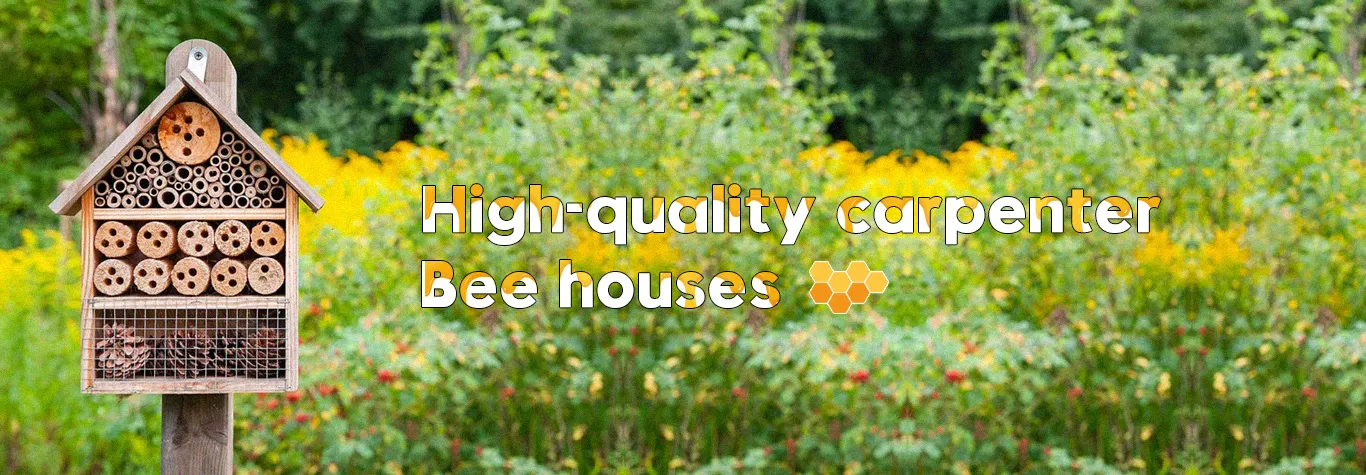
### Why Build a Carpenter Bee House?
Building a carpenter bee house serves multiple purposes:
1. **Pollination Support**: By providing a home for carpenter bees, you promote pollination in your garden, leading to better plant growth and yields.
2. **Conservation**: With ha***ats disappearing due to urbanization and climate change, a carpenter bee house can help support local ecosystems.
3. **Wood Protection**: Focusing their nesting ha***s on a designated house can minimize damage to your wooden structures.
### How to Build a Carpenter Bee House
Creating a carpenter bee house is a straightforward DIY project that requires minimal materials. Follow these steps to construct an effective house:
Carpenter Bee House<br style="font-family: 'Microsoft YaHei'; font-size: medium;" />Carpenter Bee Hive<br style="font-family: 'Microsoft YaHei'; font-size: medium;" />Wood Bee Trap<br style="font-family: 'Microsoft YaHei'; font-size: medium;" />Bee Outfit
#### Materials Needed:
- Untreated wood (cedar or pine is ideal)
- Drill
- 3/8-inch drill *** (for creating tunnels)
- 1-inch screws
- Saw
- Sandpaper
- Weatherproof paint or sealant (optional)
#### Step-by-Step Instructions:
1. **Choose the Wood**: Select untreated wood blocks without chemical treatments. Using softwoods like pine encourages carpenter bees to carve holes.
2. **Cut Wood Blocks**: Cut the wood into blocks measuring 6 inches wide, 6 inches tall, and 6 inches deep. Each block should have several holes drilled into it.
3. **Drill Holes**: Use a 3/8-inch drill *** to create holes about 4 inches deep. Space the holes at least 1 to 1.5 inches apart to allow for individual nesting.
4. **Smooth Edges**: Sand down any rough edges to ensure the safety of both the bees and yourself.
5. **Assemble the House**: Stack several blocks on top of each other, securing each block with screws if necessary. Ensure there are holes in different orientations to mimic natural nesting conditions.
6. **Finish (Optional)**: You can paint the exterior or apply a weatherproof sealant, but avoid coating the holes since carpenter bees prefer untreated wood.
204.188.233.66
carpenterbeehouse
Guest
carpenterbeehouses@outlook.com