
shell
Guest
benducket3211@gmail.com
What Is a Textile Lab Equipment List and What Does It Include? (68 views)
2 Apr 2026 20:23
In the modern textile industry, quality control plays a critical role in ensuring that fabrics meet required standards for durability, safety, and performance. To achieve this, laboratories rely on a wide range of specialized instruments designed to test different properties of textiles. A textile lab equipment list serves as a comprehensive guide to all the tools and machines needed to perform accurate and standardized testing. It helps laboratories stay organized, maintain consistency, and ensure compliance with industry regulations.
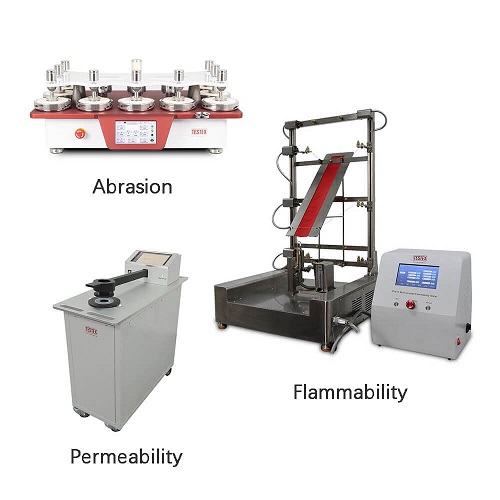
Understanding a Textile Lab Equipment List
A textile lab equipment list is essentially a structured inventory of all the testing instruments required in a textile laboratory. These tools are used to evaluate various characteristics of fibers, yarns, fabrics, and finished products. The list can vary depending on the type of testing lab, such as fiber testing labs, yarn testing labs, fabric testing labs, or garment testing units.
Having a well-defined equipment list is essential for setting up a new lab, upgrading existing facilities, or maintaining operational efficiency. It ensures that all necessary tests can be performed under one roof, saving time and improving productivity.
Importance of a Textile Lab Equipment List
A properly organized textile lab equipment list is more than just a checklist—it is a foundation for quality assurance. It allows laboratories to perform precise testing, maintain consistency in results, and meet international standards.
Without the right equipment, it becomes difficult to identify defects, measure performance, or ensure product reliability. For manufacturers, this could lead to customer dissatisfaction, increased returns, and damage to brand reputation. Therefore, maintaining a complete and updated equipment list is crucial for success in the textile industry.
Categories of Textile Lab Equipment
Textile testing equipment can be broadly categorized based on the type of material or property being tested. Below are the main categories included in a typical textile lab equipment list.
Fiber Testing Equipment
Fiber testing is the first step in evaluating textile quality. These instruments analyze the basic properties of raw fibers before they are spun into yarn.
Common equipment includes fiber length testers, fineness testers, and moisture analyzers. These tools help determine the suitability of fibers for specific applications and ensure consistency in raw materials.
Yarn Testing Equipment
Yarn testing equipment is used to evaluate the strength, uniformity, and quality of yarns. These tests are important because yarn quality directly affects fabric performance.
Typical instruments include yarn strength testers, twist testers, and evenness testers. These machines help identify irregularities that could impact the final product.
Fabric Testing Equipment
Fabric testing is one of the most extensive areas in textile laboratories. It involves assessing the physical, mechanical, and chemical properties of fabrics.
Some commonly used machines include tensile strength testers, bursting strength testers, tear strength testers, and abrasion resistance testers. These instruments ensure that fabrics can withstand real-world conditions.
Color Fastness Testing Equipment
Color fastness is a critical parameter in textiles, as it determines how well a fabric retains its color under various conditions. Equipment in this category includes crockmeters, washing fastness testers, light fastness testers, and perspiration testers.
These machines simulate different environmental factors to evaluate how dyes behave, helping manufacturers maintain color quality.
Garment Testing Equipment
Garment testing focuses on the performance and durability of finished products. This includes checking seam strength, dimensional stability, and overall wear resistance.
Equipment such as seam strength testers and shrinkage testers are commonly used to ensure garments meet quality expectations.
Environmental and Conditioning Equipment
Textile testing requires controlled environmental conditions to ensure accurate results. Temperature and humidity can significantly affect test outcomes.
Conditioning chambers and climate control systems are included in the equipment list to maintain standardized testing environments as per international guidelines.
Common Instruments Found in a Textile Lab Equipment List
A comprehensive textile lab typically includes a variety of specialized instruments. Some of the most essential ones are tensile testing machines, which measure the strength and elongation of materials, and bursting strength testers, which assess how fabrics respond to pressure.
Abrasion testers are used to determine resistance to wear, while pilling testers evaluate surface changes after repeated use. Thickness gauges, GSM cutters, and fabric stiffness testers are also important tools that provide detailed insights into fabric properties.
Each instrument serves a specific purpose, and together they create a complete testing environment that ensures product quality.
How to Create a Textile Lab Equipment List
Creating an effective textile lab equipment list requires careful planning and understanding of testing requirements. The first step is to identify the types of materials and products the lab will handle. For example, a fiber testing lab will require different equipment compared to a garment testing facility.
Next, it is important to consider the standards that need to be followed, such as ISO, ASTM, or AATCC. These standards specify the types of tests required and the equipment needed to perform them.
Budget is another important factor. While it may be tempting to invest in all available equipment, it is more practical to prioritize essential instruments and expand gradually as needed.
Finally, laboratories should ensure that all equipment is properly calibrated and maintained to guarantee accurate and reliable results.
Benefits of Maintaining a Proper Equipment List
Maintaining a well-organized textile lab equipment list offers numerous advantages. It improves workflow efficiency by ensuring that all necessary tools are readily available. It also helps in planning maintenance schedules and avoiding equipment downtime.
Additionally, it supports compliance with industry standards and audit requirements. Laboratories with a complete and updated equipment list are better positioned to deliver consistent and high-quality results.
For businesses, this translates into improved customer satisfaction, reduced product returns, and enhanced brand reputation.
Challenges in Managing Textile Lab Equipment
Despite its importance, managing a textile lab equipment list can be challenging. Equipment can become outdated due to technological advancements, requiring regular updates and investments.
Maintenance and calibration also require time and resources. If not properly managed, equipment issues can lead to inaccurate results and affect product quality.
Training is another critical aspect. Laboratory staff must be skilled in operating different machines to ensure reliable testing outcomes.
Future Trends in Textile Lab Equipment
The textile industry is evolving rapidly, and so is testing technology. Modern textile labs are increasingly adopting automated and digital equipment to improve efficiency and accuracy.
Smart testing machines with data integration capabilities are becoming more common, allowing real-time monitoring and analysis. Sustainability is also a growing focus, with equipment designed to reduce energy consumption and environmental impact.
These advancements are shaping the future of textile testing, making it more precise, efficient, and environmentally friendly.
Conclusion
A textile lab equipment list is a fundamental component of any textile testing facility. It provides a clear overview of the tools and instruments required to evaluate the quality and performance of textile products. From fiber testing to garment evaluation, each category of equipment plays a vital role in ensuring that products meet industry standards and customer expectations.
By maintaining a comprehensive and well-organized equipment list, laboratories can enhance their testing capabilities, improve efficiency, and deliver reliable results. In an industry where quality is paramount, having the right equipment is not just an advantage—it is a necessity.
43.242.176.120
shell
Guest
benducket3211@gmail.com