
gnx
Guest
benducket3211@gmail.com
What is a Micro Switch and How Does It Work? (6 views)
20 Dec 2025 23:09
Micro switches are an essential component in countless devices, playing a crucial role in ensuring the efficient functioning of electronic equipment and machinery. Often overlooked in their simplicity, these small devices are highly reliable and widely used in various industries. But what exactly is a micro switch, and how does it work? In this article, we will delve into the world of Micro Switch, exploring their uses, benefits, and functionality.
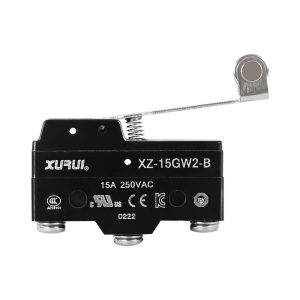
Understanding the Micro Switch
A micro switch, also known as a snap-action switch, is a type of electrical switch that is designed to be actuated by a small physical force. It typically consists of a spring-loaded mechanism that moves a set of contacts when pressure is applied. Micro switches are most often used to detect the presence or absence of an object, or to perform a simple on/off control in devices.
The defining characteristic of a micro switch is its ability to operate with minimal movement, which means that even a small physical actuation can trigger a significant change in the switch’s state. This makes micro switches highly reliable for applications that require precision.
The Mechanics Behind a Micro Switch
Micro switches work on the principle of a lever mechanism that operates with minimal movement but delivers a clear, decisive action. The switch consists of three main components: a housing, contacts, and a spring. The housing holds the contacts in place, while the spring ensures the contacts remain open or closed until pressure is applied. When a force is exerted on the lever, it shifts the contacts, either opening or closing the circuit. This change in the circuit’s state can activate or deactivate electrical systems.
The "snap-action" feature of these switches ensures that once the lever is actuated, the contacts either snap open or closed with minimal further movement, guaranteeing a rapid and consistent response.
Applications of Micro Switches
Micro switches are used in a wide range of devices, from household appliances to industrial machinery. Their versatility is one of the reasons they are so popular across different sectors.
In household devices, micro switches are often found in appliances such as washing machines, refrigerators, and microwave ovens. These switches ensure that the appliance functions correctly, detecting whether doors are closed, or if certain conditions are met before activation. For example, a micro switch in a microwave will only allow the appliance to operate when the door is securely shut.
In industrial settings, micro switches are used to monitor processes, detect the presence of objects, or trigger actions in complex machinery. For instance, they might be used in conveyor belts to detect when a package reaches a certain point, triggering the next phase of production. Additionally, micro switches are often found in automotive systems, ensuring that seatbelts are fastened, or doors are properly closed.
Types of Micro Switches
While all micro switches operate on the same basic principle, there are various types designed for different applications and environments. Some of the most common types include:
Standard Micro Switches: These are the most common and can be found in a wide range of consumer and industrial applications.
Subminiature Micro Switches: Smaller than the standard type, these are used in applications where space is limited but reliability is still essential.
High-Temperature Micro Switches: Designed to withstand extreme heat, these switches are ideal for use in high-temperature environments such as ovens or industrial machines.
Waterproof Micro Switches: Used in environments where water exposure is a concern, these switches are sealed to prevent moisture from damaging the components.
Benefits of Using Micro Switches
Micro switches offer several advantages, which make them the preferred choice for many applications.
Durability is one of the standout benefits. Since micro switches have a snap-action mechanism, they are highly resistant to wear and tear, ensuring a long service life even under heavy use. Their simple mechanical design makes them less prone to failure compared to more complex switches.
Another benefit is their precision and reliability. Due to the minimal movement required for actuation, micro switches provide highly accurate control over electrical systems. This makes them ideal for applications that demand strict operational conditions, such as in safety devices or automation systems.
Additionally, micro switches are cost-effective. Their simple design and low manufacturing costs make them an affordable solution for many industries, despite their high performance and reliability.
Choosing the Right Micro Switch
When selecting a micro switch for a particular application, it’s important to consider several factors. These include the environment in which the switch will operate, the voltage and current requirements, and the required durability. For instance, a micro switch used in a wet environment may need to be waterproof, while one used in an industrial setting may need to be able to handle high temperatures.
It’s also essential to choose a switch with the appropriate actuation force. The actuation force is the amount of pressure needed to trigger the switch. This varies depending on the specific use case and how sensitive the switch needs to be.
The Future of Micro Switches
As technology continues to advance, so too does the development of micro switches. In the future, we can expect even more specialized versions of micro switches, designed to meet the needs of emerging technologies like robotics, automation, and the Internet of Things (IoT). Micro switches will continue to play an important role in both consumer products and industrial systems, ensuring efficiency, safety, and reliability.
Conclusion
Micro switches may be small in size, but their importance cannot be overstated. They are integral to the proper functioning of countless devices, from everyday appliances to high-tech industrial systems. Whether you're designing a new product or maintaining existing machinery, understanding the functionality and benefits of micro switches can help you make the best choices for your applications. With their durability, precision, and versatility, micro switches are sure to remain a cornerstone of electrical systems for years to come.
43.242.176.34
gnx
Guest
benducket3211@gmail.com